
Image by [MERIEM AB] & [IMAGE FX & CANVA].
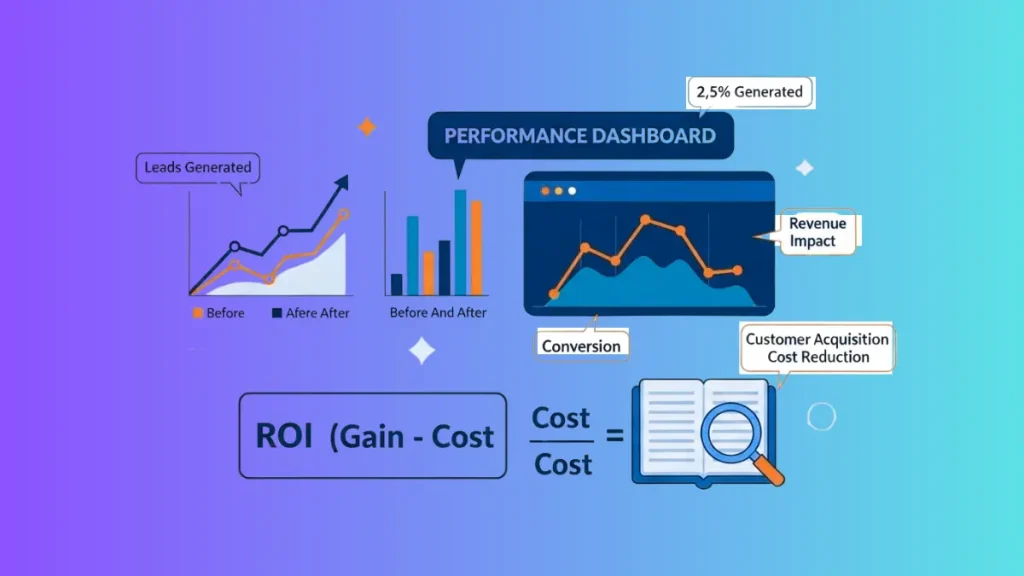
If you cannot measure the impact of your content marketing case studies, they will always look like “nice stories” instead of revenue drivers. The key is to connect each case study to specific KPIs such as qualified leads, sales opportunities, influenced pipeline, and closed deals. When these metrics are tracked consistently inside your content marketing case study system guide, you can decide which stories to scale and where to tighten your strategy.
Why do most teams fail to measure case study ROI?
The attribution challenge: multiple touchpoints, unclear credit
Case studies rarely work in isolation. A prospect might discover your brand through organic search, read a case study, download a gated PDF version, attend a webinar featuring that client, and reference the story during a sales call before ultimately converting. Traditional single-touch attribution models assign credit to the first or last interaction, which systematically undervalues case studies that influence decisions in the middle of the buyer journey.
This attribution complexity leads teams to measure what is easy rather than what matters. They track case study page views, time on page, and social shares—vanity metrics that feel productive but reveal nothing about revenue impact. Meanwhile, the case studies that sales teams reference in 60% of closed deals receive no credit in marketing dashboards because they were shared as PDF attachments rather than tracked link clicks.
We recommend shifting from “did this case study get traffic?” to “did this case study influence pipeline and revenue?” The measurement framework changes completely when you optimize for business outcomes rather than content consumption metrics.
The timeline problem: long sales cycles obscure cause and effect
In B2B contexts with 6-12 month sales cycles, the gap between case study engagement and closed revenue makes causal connections difficult to establish. A prospect who reads a case study in January might not enter active sales conversations until May and close in September. If your measurement window is 30-60 days, you will systematically undervalue content that plants seeds for future revenue rather than triggering immediate conversions.
The solution is not to abandon measurement but to implement layered tracking that captures both leading indicators and lagging outcomes. Leading indicators include progression from anonymous visitor to known lead, lead scoring increases after case study consumption, and sales rep observations about which content prospects reference during discovery. Lagging indicators include deal velocity, win rates, and average contract values for deals where case studies played documented roles.
When you track both leading and lagging metrics, you build confidence in case study ROI before waiting months for closed revenue data, while still validating that early signals translate into actual business outcomes.
What metrics actually matter for case study ROI?
Qualified Lead generation: the first conversion layer
The most immediate measurable impact of case studies is their ability to convert anonymous traffic into identified, qualified leads. Track how many prospects who engage with case studies provide contact information through form fills, content downloads, demo requests, or newsletter subscriptions.
However, volume alone is insufficient. Measure lead quality by evaluating demographic fit, firmographic characteristics, engagement depth, and progression rates. A case study that generates 100 leads with 5% qualification rates underperforms one that generates 30 leads with 40% qualification rates. Quality-adjusted lead generation reveals which case studies attract your ideal customer profile versus curiosity seekers who will never convert.
Segment this analysis by case study topic, industry focus, and client profile. You may discover that enterprise case studies generate fewer total leads but dramatically higher qualification rates, justifying increased investment in that segment. Or you might find that specific industry case studies convert at 3x the average rate, signaling where to focus future client story development.
Pipeline influence and velocity: The middle-Funnel impact
Beyond initial lead generation, measure how case studies influence opportunities already in your sales pipeline. Work with sales operations to tag opportunities where case studies were shared during the sales process, either by marketing automation, sales reps, or prospects themselves sharing content internally.
Track two pipeline metrics: influence rate and velocity impact. Influence rate measures what percentage of opportunities interact with case study content before closing. Velocity impact measures whether deals that engage with case studies close faster than comparable deals without case study interaction. If you discover that deals with case study engagement close 25% faster, you have quantifiable evidence that case studies reduce friction and accelerate decision-making.
The [planning high-converting case studies] guide explores how to structure case studies specifically to address objections that typically slow pipeline progression, creating content that sales teams proactively deploy to maintain deal momentum.
How do you build a measurement system that actually Works?
Implement multi-touch attribution with case study weighting
Multi-touch attribution distributes credit across all content interactions in the buyer journey rather than assigning 100% credit to a single touchpoint. Within your attribution model, assign appropriate weights to case study interactions based on their typical role in your sales process.
For example, if case studies typically appear during consideration and decision stages, weight those interactions higher than awareness-stage blog posts. If sales data shows that prospects who engage with multiple case studies close at twice the rate of single-case-study engagers, factor that multiplier into your ROI calculations.
The technical implementation requires CRM and marketing automation integration that tracks content engagement at the contact level and surfaces that data in opportunity records. Sales teams need visibility into which case studies each stakeholder consumed so they can reference specific stories during conversations and document content influence in deal notes.
What advanced Frameworks improve case study ROI measurement?
The content influence score: quantifying case study impact
A content influence score assigns numerical values to case study interactions based on their correlation with revenue outcomes. This framework requires historical analysis of closed deals to identify patterns between case study engagement and conversion likelihood.
Start by analyzing 50-100 closed deals and documenting every case study interaction during each buyer journey. Calculate conversion rates for prospects who engaged with zero, one, two, or three-plus case studies. If prospects who consume three case studies convert at 5x the rate of those who consume none, your influence multiplier is 5x.
Apply this multiplier to pipeline forecasting. When a high-value opportunity engages with multiple case studies, increase the likelihood score in your CRM. When sales reviews pipeline, they can prioritize follow-up based on content engagement signals that predict higher close probability. This transforms case studies from passive resources into active pipeline intelligence that improves resource allocation and forecast accuracy.
Revenue Attribution Models: Connecting Stories to Closed Deals
Beyond influence scoring, implement direct revenue attribution for case studies. When a deal closes, survey the buyer committee about which content was most influential in their decision. Ask sales reps to document which case studies they referenced during key conversations and which stories prospects mentioned unprompted.
Aggregate this qualitative data into quantitative attribution. If 40% of closed deals cite a specific case study as influential, and your quarterly revenue is $2 million, that case study contributed to $800,000 in attributed revenue. Divide by production cost to calculate ROI. A case study that cost $5,000 to produce and influenced $800,000 in revenue delivers 160x ROI, making it one of your highest-performing marketing investments.
This attribution methodology works best when integrated into your standard deal review process. Add case study influence as a required field in closed-won opportunity forms. Train sales teams to capture this data consistently so your attribution analysis becomes more accurate over time.
The [content marketing case study system guide] provides templates for buyer influence surveys and sales rep documentation frameworks that make revenue attribution systematic rather than anecdotal.
What Tools and systems enable accurate case study measurement?
CRM and Marketing automation integration
Accurate case study measurement requires seamless data flow between your website, marketing automation platform, and CRM system. Implement tracking that captures when contacts view case study pages, download gated versions, watch video testimonials, or attend case study webinars. Push this engagement data to contact records so sales teams see complete content consumption histories during prospect research.
Configure your CRM to surface case study engagement in opportunity dashboards. When a sales rep opens an opportunity record, they should immediately see which case studies each decision-maker consumed, when engagement occurred, and how deeply they engaged. This visibility enables personalized follow-up that references specific stories and demonstrates that you understand their research process.
Most modern marketing automation platforms offer case study-specific tracking through UTM parameters, content tags, and engagement scoring rules. Configure progressive scoring that increases lead priority when prospects consume multiple case studies or return to the same story multiple times, signaling high intent and active evaluation.
Custom dashboards for case study performance tracking
Build dedicated dashboards that consolidate case study metrics across the full funnel. Track top-of-funnel metrics like page views, unique visitors, and traffic sources. Track middle-funnel metrics like gated download conversion rates, email click-through rates for case study campaigns, and progression from lead to marketing-qualified lead. Track bottom-funnel metrics like pipeline influence, deal velocity impact, and closed revenue attribution.
Update these dashboards monthly and review with both marketing and sales leadership. Identify which case studies drive disproportionate results and which underperform relative to production investment. Use this analysis to guide future case study development, focusing resources on client profiles, industries, and use cases that consistently generate measurable business impact.
Share simplified dashboard versions with executives who need proof that content marketing drives revenue. A single-page view showing case study influence on pipeline and closed revenue makes the business case for continued investment far more effectively than traffic and engagement metrics that lack clear connections to business outcomes.
How do you optimize case study strategy based on ROI Data?
Double down on high-performing segments
Once measurement systems reveal which case study categories drive strongest ROI systematically expand coverage in those areas. If enterprise manufacturing case studies influence 3x more pipeline than small business retail stories prioritize manufacturing client recruitment and invest in premium formats for those stories.
This optimization is not about abandoning underperforming segments immediately—it requires testing whether poor performance reflects content quality, distribution strategy, or genuine market misalignment. Run controlled experiments where you improve underperforming case studies with better data, stronger narratives and enhanced distribution before concluding the segment is not viable.
Document optimization decisions and results so your case study strategy evolves based on evidence rather than opinions. When stakeholders question why you focus heavily on specific industries or use cases show data demonstrating that those segments generate qualified pipeline at rates that justify resource allocation.
Create Feedback loops Between measurement and production
The most sophisticated case study programs use ROI data to continuously refine production standards. If measurement reveals that case studies with specific ROI calculations convert 40% better than those without, make ROI calculations mandatory in all future stories. If video testimonials featuring C-level speakers outperform those with mid-level managers, prioritize executive participation in client recruitment.
Schedule quarterly reviews where production teams and sales teams analyze measurement data together. Sales provides qualitative feedback about which case study elements resonate during conversations. Marketing shares quantitative data about engagement and conversion patterns. This collaboration ensures case study content evolves to match actual buyer needs rather than assumptions about what should work.
The measuring case study ROI resource provides detailed frameworks for running these cross-functional reviews and translating insights into updated production standards that compound effectiveness over time.
What Measurement Mistakes Undermine Case Study ROI Analysis?
Confusing Activity Metrics with Business Outcomes
The most common measurement failure is reporting case study page views, downloads, or social shares as if they represent success. These activity metrics measure distribution reach, not business impact. A case study with 10,000 views that generates zero qualified leads delivers no ROI regardless of traffic volume.
Focus measurement on conversion events that indicate buying intent: form submissions, demo requests, sales meeting bookings, and documented influence in closed deals. When reporting case study performance to stakeholders, lead with metrics that connect to revenue rather than vanity metrics that feel impressive but lack business relevance.
Train your team to ask “so what?” after every metric. If case study downloads increased 50%, the relevant follow-up questions are: did lead quality improve, did pipeline velocity increase, did sales win rates change? Without connecting activity to outcomes, measurement becomes reporting theater that consumes resources without driving strategic decisions.
Measuring too soon or stopping too early
Case study ROI unfolds over extended timeframes, especially in B2B contexts. Measuring impact after 30 days misses the majority of value that accumulates as prospects move through long consideration cycles. Conversely, measuring once at 90 days and never revisiting means you miss compounding effects as case studies gain search rankings, accumulate backlinks, and become evergreen sales assets referenced for years.
Implement measurement at multiple intervals: 30 days for immediate lead generation impact, 90 days for pipeline influence patterns, six months for closed revenue attribution, and annually for cumulative lifetime value. This staged measurement reveals both quick wins and long-term strategic value, preventing premature conclusions about case study effectiveness.
Real-World ROI measurement examples
B2B Example: SaaS Platform Case Study Performance
A B2B SaaS company published a case study showing how a mid-market client reduced customer onboarding time by 67%. They tracked the case study across six months and documented these results: 2,400 organic page views, 340 gated PDF downloads, 68 marketing-qualified leads, 12 sales opportunities created, four closed deals totaling $480,000 in annual contract value.
Production cost was $8,000 including client interviews, writing, design, and video testimonial. First-year attributed revenue was $480,000, delivering 60x ROI. More importantly, the case study continued generating leads and influencing deals in years two and three, compounding lifetime value to over 200x initial investment.
The company used multi-touch attribution to identify that prospects who engaged with this case study plus two other related pieces of content converted at 5x the rate of single-content engagers, confirming the value of building interconnected case study systems as outlined in the content marketing case study system guide.
B2C example: subscription service case study impact
A direct-to-consumer meal kit service featured a customer who lost 35 pounds and improved health markers using their program. They promoted the case study through paid social ads, email campaigns, and organic content. Measurement revealed: 180,000 total views across formats, 8,200 email signups from gated recipe guide, 1,400 trial subscriptions, 620 conversions to paid annual plans.
Average annual customer value was $840. First-year revenue from attributed conversions was $520,800. Production cost including professional photography and video was $12,000, delivering 43x ROI. The video testimonial became the brand’s highest-performing paid social creative for eight months, demonstrating how case study investments deliver sustained value beyond initial publication.
The brand integrated measurement with their customer journey mapping to identify that case study engagement during the trial period increased retention rates by 28%, revealing secondary value beyond direct acquisition that traditional attribution would miss.
How measurement transforms case studies from cost centers to profit centers
When you implement rigorous ROI measurement, case studies shift from discretionary marketing expenses to strategic investments with quantifiable returns. This transformation changes budget conversations, production priorities, and organizational commitment to proof-based content marketing.
Measurement-driven case study programs earn expanded resources because leadership sees clear connections between investment and revenue. They attract sales team advocacy because reps recognize which stories shorten deal cycles and improve close rates. They generate continuous improvement because data reveals exactly which elements drive performance and which need optimization.
The measurement frameworks detailed in this guide work best when integrated into the broader system architecture described in the content marketing case study system guide, which shows how to connect measurement insights to production workflows, distribution strategies, and sales enablement programs that multiply case study ROI across your entire go-to-market motion.
Building this measurement discipline requires initial setup investment, but the payoff compounds exponentially. Once tracking infrastructure is in place, marginal measurement cost approaches zero while insights accumulate with every new case study, creating an organizational learning system that makes each story more effective than the last.