
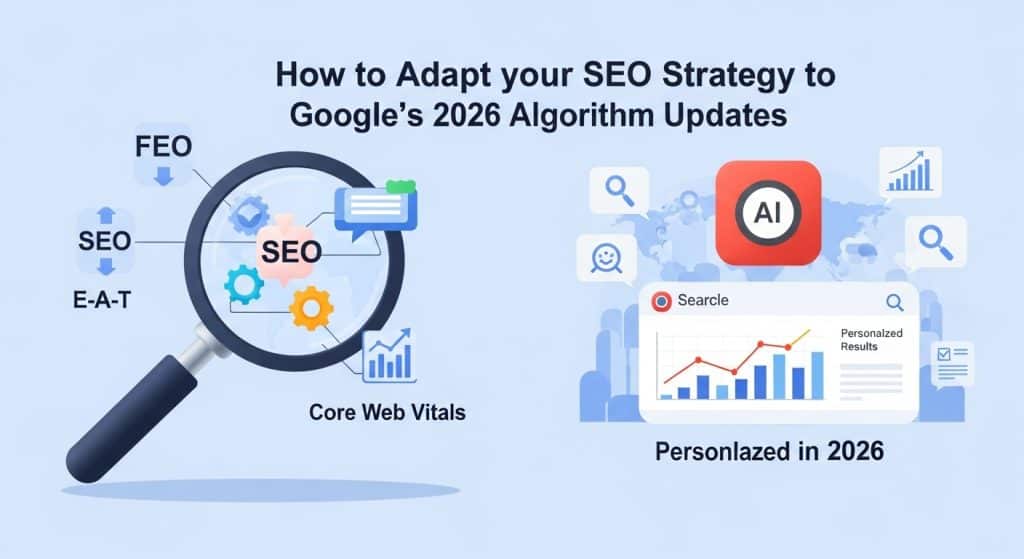
Google’s algorithm updates are one of the most critical factors affecting SEO strategies. Every year, Google introduces changes that can dramatically impact search rankings and website performance. In 2026, staying ahead of these updates will be crucial for maintaining and improving your site’s visibility. In this article, we’ll explore how to adapt your SEO strategy to the latest changes in Google’s algorithm.
Why Google Algorithm Updates Matter
Google updates its search algorithm regularly to provide users with more relevant, high-quality results. While some updates may be minor, others can cause significant shifts in rankings. By understanding how these updates affect your site, you can adjust your SEO strategy accordingly, ensuring continued traffic and growth.
Major Google Algorithm Changes to Expect in 2026
1. Increased Focus on E-A-T (Expertise, Authoritativeness, and Trustworthiness)
In recent years, Google has emphasized the importance of E-A-T in its algorithm, particularly for YMYL (Your Money, Your Life) pages. This trend will continue in 2026, with Google refining its ability to assess the expertise, authority, and trustworthiness of content.
- How to Adapt: Ensure your content is written by credible experts and is regularly updated. Additionally, focus on acquiring high-quality backlinks from authoritative sites within your industry.
2. Core Web Vitals as a Ranking Factor
Page experience and Core Web Vitals are expected to remain a major factor in Google’s ranking system. The algorithm will continue to prioritize user experience by evaluating how quickly pages load, how stable they are during loading, and how easily users can interact with content.
- How to Adapt: Optimize your website for faster loading times, mobile responsiveness, and overall user experience. Tools like Google PageSpeed Insights and Lighthouse can help you identify areas for improvement.
3. AI and Machine Learning Integration
Google’s algorithm updates in 2026 will likely involve even more integration of artificial intelligence (AI) and machine learning, making it smarter at understanding search intent, context, and content relevance. AI-powered updates, like BERT and RankBrain, will continue to evolve, further enhancing search result accuracy.
- How to Adapt: Focus on creating content that answers user intent and provides valuable information. Optimize for natural language processing (NLP) by writing in a conversational tone and addressing common user queries.
4. More Personalized Search Results
Google’s AI-powered algorithms will increasingly provide personalized search results, taking into account user behavior, location, search history, and other factors to deliver highly tailored results.
- How to Adapt: Implement structured data (Schema Markup) to help Google better understand your content. Also, focus on local SEO to cater to location-based searches and ensure your content is relevant to specific user profiles.
5. Video and Visual Content Ranking
With the rise of platforms like YouTube and the increasing use of visual content, Google will continue to prioritize video and images in its search results. In 2026, video content will play an even bigger role in SEO.
- How to Adapt: Incorporate video into your content strategy by creating high-quality, informative videos that engage users. Optimize video titles, descriptions, and tags for relevant keywords, and use transcripts for better indexability.
Adapting Your SEO Strategy for 2026
To stay ahead of Google’s algorithm updates in 2026, your SEO strategy needs to be flexible and proactive. Here are key steps to help you adapt:
1. Monitor Google Updates
Google will continue to roll out updates regularly, so it’s essential to stay informed about these changes. Follow Google’s official blogs, SEO industry news, and authoritative sources to track new updates and understand how they impact your website.
2. Focus on Quality Content
Google’s main goal is to serve users high-quality, relevant content. In 2026, your content should continue to focus on providing value to the user. Invest in producing in-depth, authoritative content that satisfies user queries in a comprehensive, well-organized manner.
3. Mobile-First Optimization
With mobile-first indexing already in place, Google’s algorithms will prioritize mobile-friendly websites in 2026. Ensure your website is responsive and offers a seamless experience across all devices.
4. Leverage Voice Search Optimization
With voice search becoming more popular, Google’s algorithms will increasingly prioritize voice-friendly content. To optimize for voice search, focus on natural language, long-tail keywords, and FAQs that answer common questions.
5. Improve Local SEO
Google’s algorithm updates will likely give more weight to local SEO, especially for businesses targeting specific geographical areas. Optimize your Google My Business profile, gather local reviews, and create localized content to boost your rankings in local searches.
In 2026, adapting to Google’s algorithm updates will be more important than ever for maintaining SEO success. By focusing on E-A-T, optimizing for Core Web Vitals, leveraging AI, and providing high-quality, relevant content, you can stay ahead of the competition and continue driving organic traffic to your site.
Explore our guide on advanced SEO strategies to stay up-to-date with Google’s algorithm changes and optimize your site for better results.